
Crack Down.

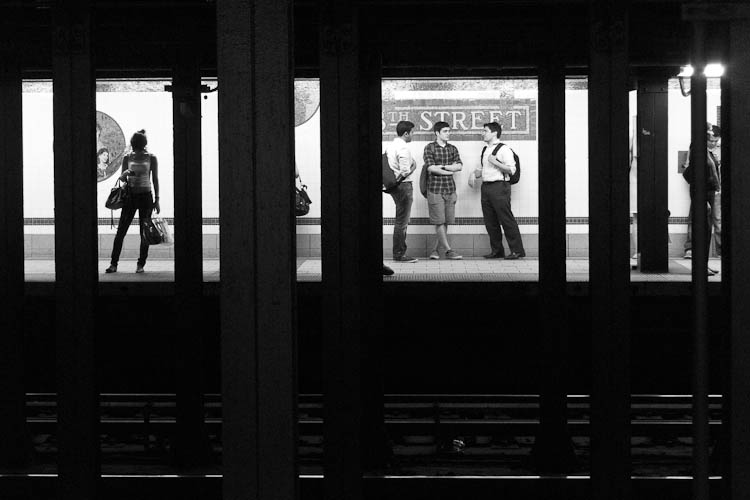
When New York City Mayor Rudy Giuliani embarked on his lofty mission to clean up New York City and tackle its infamously high crime rate one might be surprised to learn that his strategy did not really focus on going after the big time criminals. Instead he began literally cleaning up the city and cracking down hard on the small time offenders. By investing tens of millions into actually cleaning up and revamping the decaying and dangerous subway system he began to create a different expectation for New Yorkers. By ticketing and arresting small time offenders he began to send a city wide message that these small offenses would not be tolerated. It didn’t take long before public and criminal behaviour began to drop dramatically. As smaller offenses were dealt with, and the message was sent that they would not be tolerated, gradually larger, more serious crime began to drop considerably as well without it being specifically targeted any more than before. Kind of like a trickle up effect, if you will.

I liken this to our own offenses on the self by the assaulting messages we tell ourselves or by the destructive thoughts we allow ourselves to injudiciously believe. As we start to address, deal with, and rehabilitate some of these smaller offenders – the destructive thoughts, beliefs, and behaviours we struggle with on a habitual basis, often we find that all of a sudden some of our bigger problems start to disappear, or at least begin to lose their power. By learning to set new, cleaner, safer, and more welcoming and kind expectations for ourselves we send the message that the big guys better shape up or ship out.

Don’t Make a Fuss

For many of us while growing up one of the best days of the year was that one day where the whole world seemed to centre around us, and that day was the ever anticipated birthday. Often the day was filled with cake and friends, parties and gifts, and a general sense of being really special and significant. Then, for some reason, as we got older, usually shortly after leaving our teens or early twenties, the day became less and less special, anticipated, and remarkable… All of a sudden people stopped caring as much that we were getting one year older, and didn’t really think it necessary to throw us parties, surprise us with gifts and greetings, and make a big deal out of our day. And I wonder why? As we get older do we stop having the desire to feel loved, celebrated, and as though we are the centre of at least some peoples’ universe… if not for only just one day? As we grow up, do we grow out of our love of blowing out candles and daring to wish?

I happen to think the opposite is true. As we get older, busier, and more involved with our jobs, housework, commitments, and obligations, life sometimes gets a bit grey and mundane. This is when the need for fun and celebration – whether it be celebrating ourselves or our loved ones – is most essential. This is the time when we need to feel like we’re valued and worth celebrating.

Why do we often find ourselves thinking “Oh, so and so is probably too old for a party and doesn’t want people to make a fuss.” And maybe for some that’s true, but I think for the majority of us we secretly want a fuss – a BIG fuss.

Ultimately we just want to believe we are worth the fuss.

Alone in a Crowded Room

The other day on CBC Radio One they were talking about teen depression and how it’s on the rise. Some stats say that approximately 20% of all teens will experience a major depressive episode before they reach their adult years. I find this information quite disturbing and it makes me wonder why? Why, in a nation where the majority of us have way more than anyone could ever want, let alone, need? Where we have freedom, food, and fresh water? Where we have education, elected government, and employment? Where we have safety, social services, and supermarkets? Where we have so much. so. much. Why are we becoming less and less satisfied, less and less fulfilled, and less and less happy?

I think, and I’ve heard this before, that it’s due, in large part, to us becoming more and more wealthy, independent, and self-sufficient. Because we don’t need others for the practical, we think we don’t need them for the emotional or psychological: And THAT is one of the biggest and most tragic fallacies of our generation (emphasis added). Alfred Adler believed, preached, and propagated that human social connection… real connection… is as essential to human survival as oxygen, food, and water. It seems like we are losing our ability to connect and relate deeply and genuinely with one another: as wealthy westerners we are actually socially regressing, and now suffering the emotional and psychological consequences.

How many of us know our neighbours well? Just the other day I was telling my husband that I’d like to invite the neighbours in our building over for a little open house in order to get to know them better and build some community… his response was that he didn’t feel comfortable inviting a bunch of strangers into our home. Strangers. Since when have our neighbours become strangers? Since when have we become so busy with bustling around thinking we are doing things that matter and then find ourselves having to book time to get together with some of our closest friends days, or even sometimes weeks in advance? It just doesn’t sit well with me.

I think this is a big problem and mental illness is only going to become more and more pervasive, prevalent, and persistent if we insist on keeping to the delusion that our independence and isolation makes our culture, nation, and generation better off, and provides us with some kind of superior quality of life.